Choose which cookies we may set. You can change this at any time with Cookie settings in the footer.

Necessary

Always on

Remembers your cookie choice and keeps forms safe from spam. No tracking.

fdv_consent · fordevv.com · 6 months

Google Analytics 4 shows which pages and links are used. No ads, no profiles.

_ga, _ga_* · Google, first-party · up to 2 years

Advertising

Not used

We run no ads. This stays off and cannot be turned on.

Thesis · Version 1 · November 2026

Software that does the work.

Most software helps people do their work. A new kind does parts of the work itself, with people in control. We build companies for that change.

01Why now

Three changes at once.

Each one alone would be interesting. Together they change what a small team can build.

01

AI can carry a task.

Models can now plan, use tools and check their own output across work with many steps.

02

Building costs less.

A small team with agents can design, build and run a product that used to need a department.

03

Buyers want results.

Companies have enough tools. They will pay for work that gets done, measured by outcome.

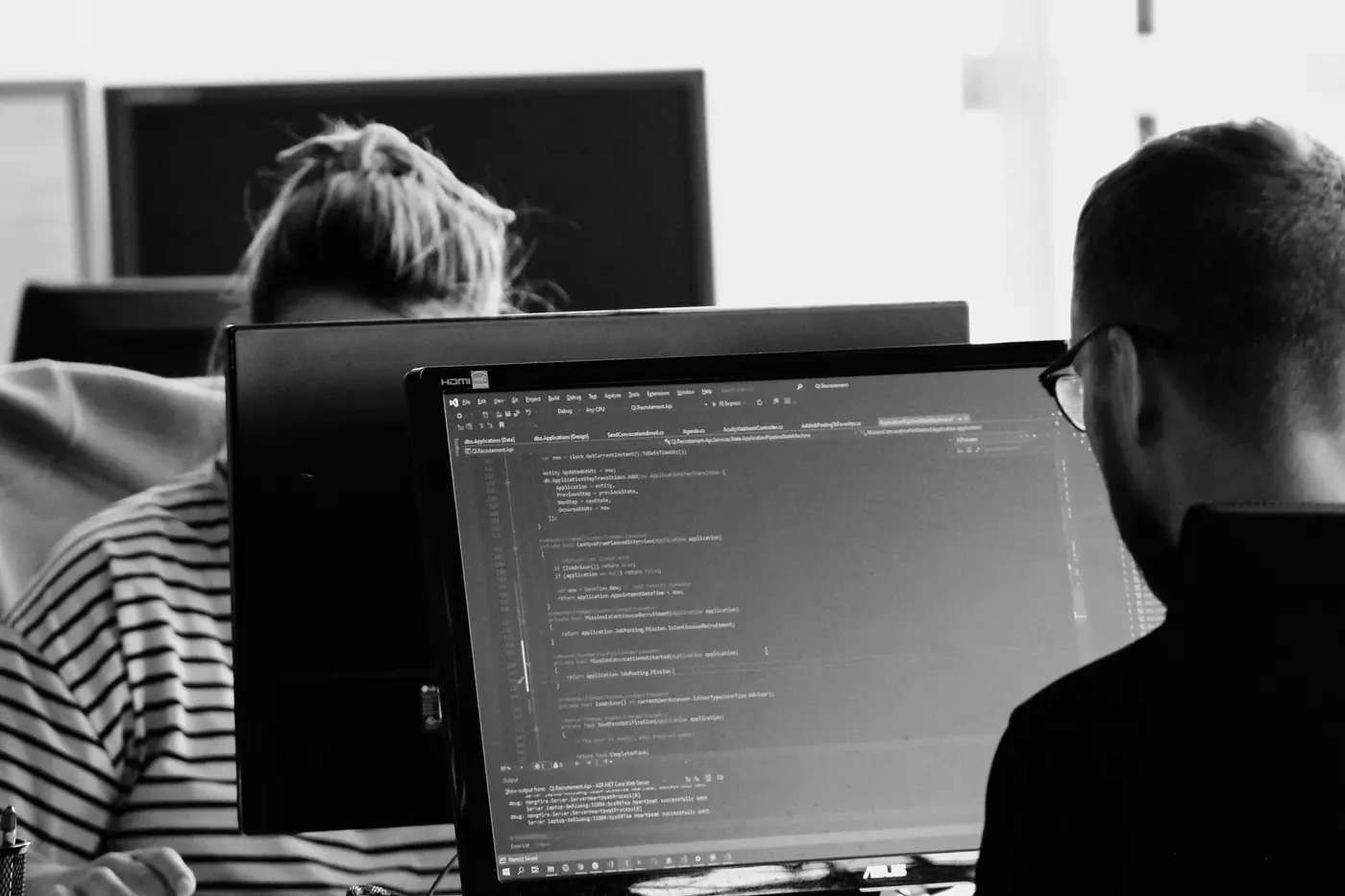
Two engineers reading code on large monitors.

02Focus areas

Four areas we build in.

They overlap. A single venture can be vertical, agentic and sold as a service at the same time.

01

Agentic AI

Systems that complete multi-step work on their own: read the input, decide the next step, use tools, check the result, report back.

What we look for
Workflows with clear inputs, clear outputs and a real cost when they are slow or wrong.
Typical shape
An agent that handles one full process for one type of team, end to end.
02

Vertical AI

AI built deep for one industry. It knows the documents, the rules, the language and the edge cases of that field.

What we look for
Industries with heavy paperwork, strict rules, specialist knowledge and little good software.
Typical shape
A product for one profession that does the work a junior specialist does today.
03

AI-native SaaS

Software designed around AI from the first line. The product starts from the outcome, not from screens and forms.

What we look for
Categories where the old interface is the problem and users spend their time feeding the tool.
Typical shape
A subscription product where most of the input is gathered and processed for the user.
04

Service-as-software

A service, delivered by software. The customer buys the finished result, not access to a tool.

What we look for
Service markets with repeatable work, high labor cost and results that can be measured.
Typical shape
A company that sells a done-for-you service, priced per result, run mostly by agents.

03Criteria

What makes a good opportunity.

Six tests we apply before an idea becomes a venture. An opportunity does not need all six. It needs most of them, and a plan for the rest.

01

A frequent, costly problem.

It happens often and someone already pays to deal with it.

02

A buyer who can decide.

We can name who signs, and they can sign without a long process.

03

An outcome we can measure.

Time saved, errors removed, revenue gained. One number to track.

04

An advantage that grows.

Data, workflow position or access that gets stronger with each customer.

05

A path to first customers.

We can reach the first ten buyers directly, without paid ads.

06

A reason it works now.

A change in models, costs or rules that makes it possible this year.

04What we avoid

Where we say no.

01

Thin layers on one model.

If the product is only a prompt, the model provider will ship it.

02

Markets we cannot reach.

If we cannot talk to buyers directly, we cannot validate fast.

03

Ideas that need a breakthrough.

We build on what works today, not on what research may deliver.

04

Work with no clear owner.

If no one owns the outcome, no one pays for it.

05People in control

A person can always see, correct and stop.

Every system we build has a named owner. They can see what it did, change the result and switch it off. Agents take on the work. People keep the responsibility.

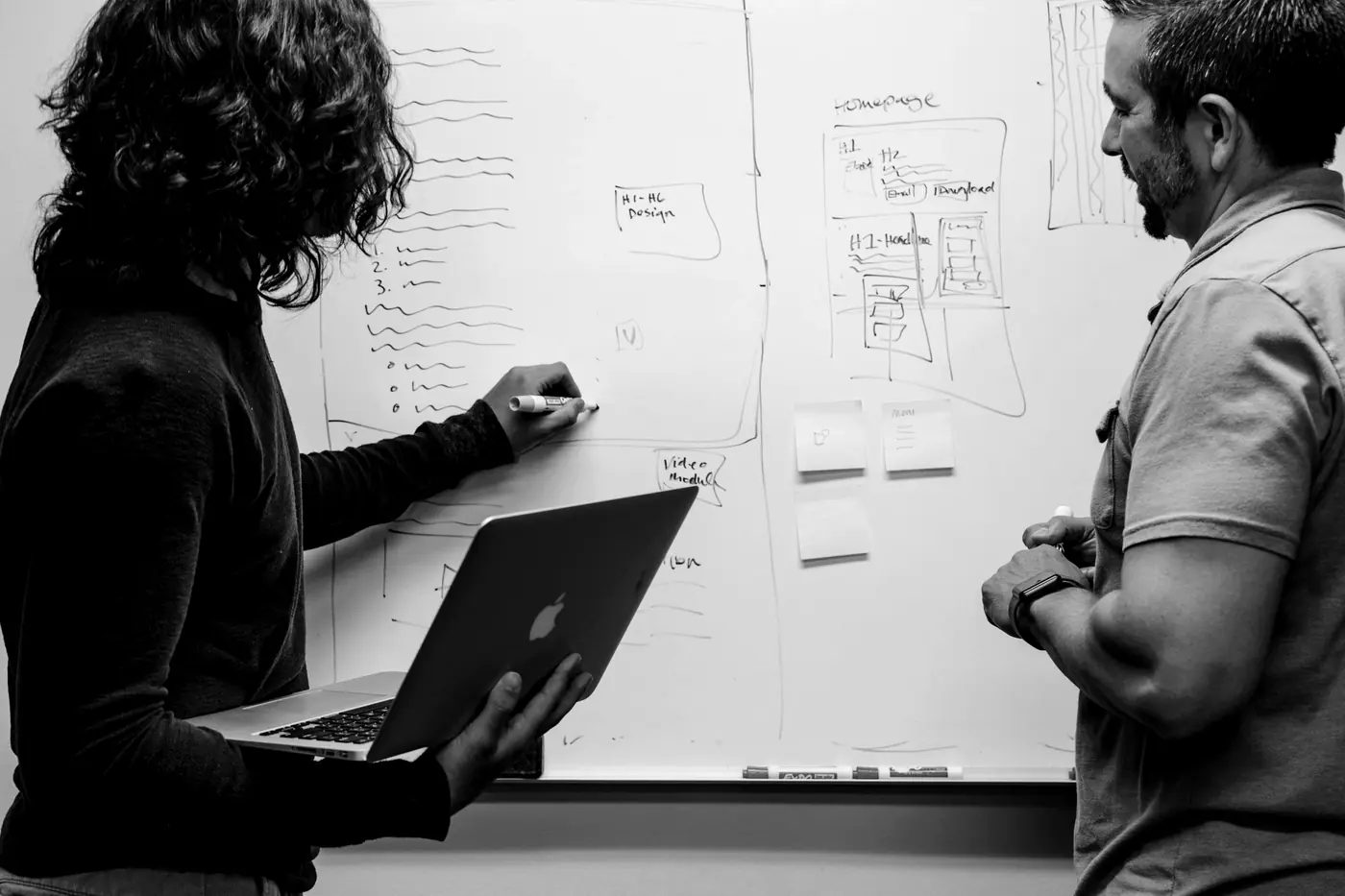
Two people reviewing a plan on a whiteboard, one holding a laptop.

06A living document

This thesis will change.

Markets move and we will learn. We date each version and keep the old ones. This is version 1, written in November 2026.

Build with us

Working on one of these problems?

If you know an industry from the inside, we want to hear what you see.

✓